Okay, so I’ve been job hunting recently (don’t ask, it’s been a journey), and I started noticing something weird. Every UX designer job description I read felt like déjà vu. Like, eerily similar to the point where I started wondering if HR departments are just copy-pasting from some secret template they all share.
At first, I thought maybe I was just looking at similar companies. But then I started paying closer attention, and holy crap – it’s everywhere. Startup in Austin? Same job description. Fortune 500 in Chicago? Basically identical. Design agency in Portland? You guessed it.
So I did what any reasonable person would do: I went down a completely unnecessary research rabbit hole and started collecting UI/UX designer job descriptions to figure out what the hell is going on.
Spoiler alert: it’s weirder than I thought, and it actually tells us some interesting stuff about the industry right now.
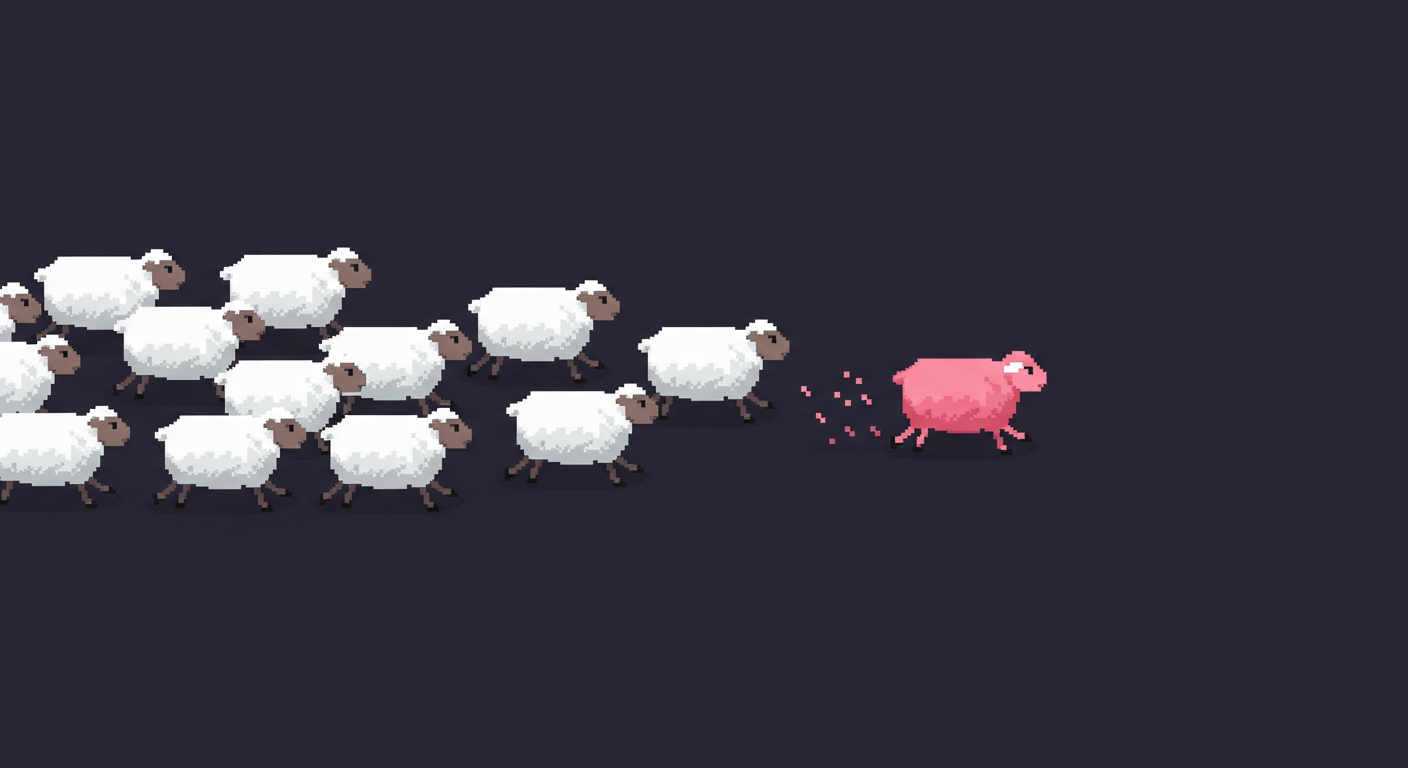
The Great Job Description Copy-Paste Epidemic
Here’s what I discovered after looking at probably 150+ UX UI designer job descriptions over the past few months (yes, I have too much time on my hands):
About 80% of them follow the exact same formula. I’m not exaggerating. It’s like there’s some industry-wide template that everyone’s using, and nobody bothered to customize it for their actual needs.
The pattern goes something like this:
Opening line: “We’re looking for a passionate UX designer to join our growing team”
Requirements section: 3-5 years of experience, proficiency in Figma/Sketch, understanding of user-centered design principles, excellent communication skills
Responsibilities: Conduct user research, create wireframes and prototypes, collaborate with cross-functional teams, iterate based on feedback
Nice to haves: Experience with design systems, knowledge of front-end development, familiarity with agile methodologies
Closing: “If you’re excited about creating meaningful user experiences and want to make an impact, we’d love to hear from you!”
I swear I’ve seen variations of this exact format at least 50 times. It’s like HR Mad Libs.
The Boring Template Everyone Uses
Let me show you what I mean by breaking down the most common UI UX designer job description template that seems to be everywhere:
The Generic Opening “We are seeking a talented UX/UI Designer to create amazing user experiences. The ideal candidate will have a strong portfolio showcasing user-centered design solutions.”
I’ve seen this opening (or something 99% identical) at tech startups, banks, healthcare companies, and e-commerce brands. Different industries, same exact language.
The Standard Requirements List
- 3-5 years of UX/UI design experience
- Proficiency in design tools (Figma, Sketch, Adobe Creative Suite)
- Strong portfolio demonstrating design process
- Experience with user research and usability testing
- Knowledge of design principles and best practices
- Excellent communication and presentation skills
- Ability to work in a fast-paced environment
This list appears in probably 90% of the job posts I’ve looked at. Sometimes they add “Bachelor’s degree preferred” or “experience with HTML/CSS a plus,” but the core list is always the same.
The Cookie-Cutter Responsibilities
- Conduct user research and gather requirements
- Create wireframes, mockups, and interactive prototypes
- Design user interfaces for web and mobile applications
- Collaborate with product managers, developers, and stakeholders
- Present design concepts and rationale to team members
- Iterate on designs based on user feedback and testing
- Maintain design consistency and standards
Again, I’ve seen this exact list (sometimes in different order) across dozens of companies.
Why This Is Happening (And Why It’s Kind of Lazy)
After thinking about this pattern for way too long, I think I’ve figured out why UX designer job descriptions have become so standardized.
HR Departments Don’t Actually Understand UX This is the big one. Most HR folks know they need to hire a “UX designer,” but they don’t really understand what that person will do day-to-day or what skills actually matter for their specific company.
So they look at other job descriptions, find one that sounds professional and comprehensive, and adapt it slightly. It’s easier than trying to figure out what their company actually needs from a UX designer.
Everyone’s Afraid of Missing Something I think there’s this fear that if you don’t include every possible UX skill in your job description, you’ll somehow miss out on good candidates. So companies just throw everything at the wall: user research, visual design, prototyping, front-end knowledge, design systems, accessibility, etc.
The “Best Practices” Trap There are all these articles about “how to write the perfect UX job description,” and they all recommend including the same stuff. So companies follow these guides religiously without thinking about whether it actually applies to their situation.
Copy-Paste Culture Let’s be honest: writing job descriptions is boring and time-consuming. It’s way easier to find a job post that sounds good and adapt it than to start from scratch.
Here’s the thing: when every UI/UX designer job description looks identical, it actually reveals some interesting stuff about the companies posting them.
They Haven’t Thought Through What They Actually Need If a company is using a generic template, they probably haven’t spent much time figuring out what specific UX challenges they’re facing or what type of designer would be most helpful.
This might mean they don’t have a clear vision for the role, which could lead to frustration once you’re actually working there.
UX Might Not Be That Mature at Their Company Companies with established design teams usually write more specific job descriptions because they know exactly what they’re looking for. Generic descriptions often signal that UX is still pretty new to the organization.
They’re Probably Getting Flooded with Generic Applications When your job description is identical to everyone else’s, you’re going to get a lot of generic cover letters and portfolios. The really thoughtful candidates might skip over your posting because it doesn’t stand out.
Once you know what to look for, you can spot some warning signs even in the most generic UX UI designer job descriptions.
“Wear Many Hats” Language “We’re looking for a versatile designer who can handle UX research, UI design, front-end development, and marketing materials.”
Translation: We want one person to do four different jobs. You’ll probably be spread too thin to do any of them well.
Unrealistic Experience Requirements “Entry-level position requiring 3-5 years of experience.”
This tells you they don’t actually understand what “entry-level” means, and they might have unrealistic expectations about what junior designers can accomplish.
Vague Company Descriptions “We’re a fast-growing startup disrupting the XYZ space.”
If they can’t clearly explain what they do or what problem they solve, how are you supposed to design good solutions for their users?
Focus on Tools Over Process Job descriptions that spend three paragraphs listing software requirements but barely mention user research or problem-solving approach.
This suggests they think UX design is mostly about knowing the right software, which… yikes.
What Companies Should Be Doing Instead
Since I’ve been complaining about generic UX designer job descriptions this whole time, let me suggest what I think would actually be helpful.
Be Specific About Your Actual Needs Instead of “conduct user research,” try “interview B2B customers to understand their workflow challenges” or “run usability tests on our mobile checkout process.”
Explain Your Design Maturity Level Are you the first UX hire? Do you have an established design system? Are you redesigning everything from scratch or making incremental improvements? This context helps candidates understand what they’re walking into.
Describe Your Users and Problems “Our users are busy small business owners who need to process invoices quickly on mobile devices” is way more helpful than “create amazing user experiences.”
Show Your Actual Work Link to your current product so candidates can see what they’d be working on. If you’re embarrassed to show your current design, that tells you something important about why you need a UX designer.
Be Honest About the Role Will this person be doing a lot of visual design? Mostly research? Working on one product or jumping between projects? Set clear expectations upfront.
How to Read Between the Lines
Since most UI UX designer job descriptions are going to be generic for the foreseeable future, here’s how to figure out what companies actually need:
Look at Their Current Product Spend 20 minutes using their website or app. What are the obvious UX problems? This tells you way more about the role than any job description.
Check Out Their Team Look up the hiring manager and other designers on LinkedIn. Are you the first UX hire? Would you be junior person or the senior one? This affects what your day-to-day would look like.
Pay Attention to Company Stage Early-stage startups need generalists who can move fast and wear multiple hats. Established companies usually need specialists who can work within existing systems.
Notice What They Don’t Mention No mention of user research? They might not prioritize it. No talk of design systems? They might not have one. Sometimes what’s missing from the job description is as telling as what’s included.
The Questions You Should Actually Ask
During interviews, here are some questions that will help you understand what the role actually involves, regardless of what the generic job description says:
About the work:
- “What’s the biggest UX challenge the company is facing right now?”
- “Can you walk me through a recent design decision and how it was made?”
- “What does a typical week look like for someone in this role?”
About the team:
- “Who would I be collaborating with most often?”
- “How does the design team currently gather user feedback?”
- “What’s the process for getting designs approved and implemented?”
About expectations:
- “What would success look like in this role after 6 months?”
- “What are the biggest obstacles that might prevent someone from being successful here?”
- “How much of the work is net-new design versus improving existing features?”
What This Means for Your Job Search
The fact that every UX designer job description looks the same actually creates both problems and opportunities for job seekers.
The Problems:
- It’s hard to differentiate between roles that might be very different
- You can’t tell from the job post whether you’d actually enjoy the work
- Companies aren’t giving you enough info to write targeted cover letters
- You might waste time applying to roles that aren’t a good fit
The Opportunities:
- Companies that write specific, thoughtful job descriptions immediately stand out
- You can use generic job posts as a starting point for research, then dig deeper
- In interviews, thoughtful questions about the actual work will make you memorable
- You can demonstrate genuine interest by referencing their actual product challenges
My Completely Unprofessional Advice
Here’s what I wish someone had told me when I was wading through endless identical UI/UX designer job descriptions:
Don’t get discouraged by the generic language. Most companies are just bad at writing job descriptions. That doesn’t necessarily mean they’re bad places to work.
Do your own research. Spend way more time looking at their actual product and team than reading the job description. That’s where the real information is.
Ask specific questions. Everyone asks “what’s the culture like?” Try “what’s the process for user testing new features?” or “how do design and development teams collaborate here?”
Look for companies that invest in UX. Do they have multiple designers? A research team? Published case studies? These are better indicators than anything in a job description.
Trust your gut in interviews. If they can’t clearly explain what they want you to work on, that’s a red flag no matter how well-written the job post was.
The Plot Twist: Maybe This Is Actually Fine?
Here’s a weird thought I had while writing this: maybe the fact that UX UI designer job descriptions are all the same isn’t entirely bad?
Think about it – if you’re a UX designer, you probably have a pretty good idea what the core responsibilities are regardless of where you work. User research, wireframing, prototyping, collaborating with teams. The fundamentals don’t change that much between companies.
Maybe the generic job descriptions are just… accurate? Maybe most UX roles really do involve the same basic set of activities, and companies are just being honest about that.
The real differentiation happens in the interview process, where you can ask specific questions about their users, their challenges, and their design process.
Or maybe I’m just trying to find a silver lining because I’m tired of reading the same job description over and over again.
What I Think Will Happen
I have a feeling this standardization of UX designer job descriptions is going to start causing problems for companies that actually want to hire good designers.
The best candidates are going to start ignoring generic job posts because they don’t provide enough information to get excited about the role. Companies that want to attract top talent will need to put more effort into explaining what makes their opportunity unique.
I’m already seeing some companies experiment with more creative formats – video job descriptions, day-in-the-life content, detailed case studies about their design challenges. It’s still pretty rare, but I think we’ll see more of it.
The companies that figure out how to write compelling, specific job descriptions are going to have a huge advantage in attracting the designers they actually want.
The Bottom Line
Look, I know I’ve spent way too many words complaining about generic UX UI designer job descriptions. But I think this stuff actually matters.
When every job post looks identical, it makes the hiring process worse for everyone. Companies can’t find the right candidates, candidates can’t find the right roles, and everyone wastes time on mismatched interviews.
If you’re a hiring manager reading this, please consider spending an extra hour making your job description specific to your actual needs. Your candidates (and your future designer) will thank you.
If you’re a designer looking for jobs, don’t let the generic descriptions discourage you. Do your research, ask good questions, and remember that the real information comes from talking to real people, not reading job posts.
And if you’re just someone who got curious about this topic and somehow read all the way to the end, well… thanks for joining me in this very niche rabbit hole. Maybe we should start a support group for people who overthink job descriptions.
P.S. – If you work in HR and you’re responsible for writing UX job descriptions, I’m not trying to be mean. Writing good job posts is genuinely hard. But maybe consider talking to your actual UX team about what they do all day? It might help.